
Subscribe to our newsletter
Enter your email address below and subscribe to our newsletter
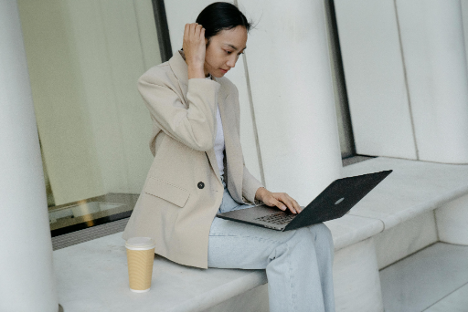
Twenty-three boxes of clothes arrived at Sarah’s new Seattle apartment, and within three months, she’d donated half. Her Miami wardrobe of sundresses, sandals, and linen blazers collected dust while she hunted for waterproof boots and layering pieces she’d never needed before. Style shifts that happen when you move to a new city aren’t just about weather: they reflect how deeply location shapes the way we present ourselves to the world.
Replacing an entire wardrobe strains any relocation budget. Strategic decisions about what to transport, what to donate, and what to purchase new can prevent financial overwhelm while ensuring you’re appropriately dressed for your new home.

Core items travel well regardless of destination: quality denim, neutral basics, undergarments, and sentimental pieces earn space in moving boxes. Seasonal extremes require local purchases; trying to guess coat weights or sandal styles before experiencing a city’s microseasons leads to expensive mistakes.
Transitional pieces bridge the gap between old and new wardrobes. Cardigans layer over existing dresses for cooler climates. Lightweight scarves add warmth without bulk. Versatile shoes in neutral colors work across multiple dress codes until you identify which styles your new city favors. Planning these purchases around your actual needs after arrival helps you fit everything into your budget after your move, while avoiding duplicate items that don’t suit your new lifestyle.
Resale and consignment shops in your new city offer insider intelligence on local style preferences while providing affordable experimentation. Observing what populates these stores reveals what locals consider current versus outdated, helping newcomers avoid purchases that immediately mark them as transplants.
The relocation process forces honest evaluation of every item’s value and utility, making you confront whether each piece deserves precious moving space or whether it’s time to let it go.
Relocating to an unfamiliar city triggers wardrobe evolution faster than any other life event. New environments demand practical adjustments while simultaneously offering permission to reinvent your aesthetic. The clothes that felt essential in your former life suddenly seem out of place, and pieces you never considered become daily necessities.
Temperature and weather patterns dictate the foundation of any functional wardrobe. Moving from Boston to Phoenix means shelving wool coats, turtlenecks, and boots for nine months of the year. Desert heat requires breathable fabrics, sun protection, and lightweight layers that northeastern climates never demanded.
Humidity levels reshape fabric choices just as dramatically as temperature. Cities like New Orleans and Charleston render silk blouses and structured blazers impractical for summer months, while dry climates in Denver or Albuquerque allow materials that would wilt elsewhere. Precipitation frequency matters equally—Seattle’s drizzle culture makes waterproof outerwear non-negotiable, while Los Angeles residents can survive years without owning proper rain gear.
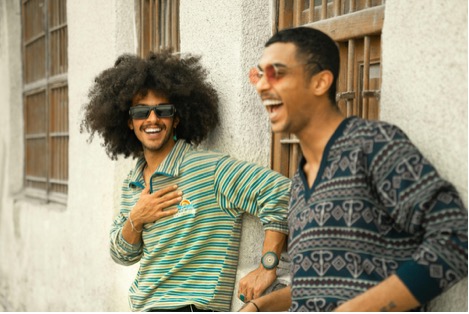
Every city cultivates its own unwritten dress code that newcomers absorb through observation. Austin embraces casual eccentricity, where vintage boots pair with everything from sundresses to business casual attire. New York City favors monochrome minimalism and polished edges, even in casual contexts. These regional aesthetics influence not just what people buy, but how they combine pieces and what silhouettes feel appropriate. Finding your fashion muse often means reconciling personal taste with the visual language of your new community.
Color palettes shift geographically too. Coastal cities gravitate toward blues, whites, and nautical stripes, while desert communities embrace earth tones and turquoise accents. Midwestern cities tend toward practical neutrals, and southern metropolitan areas often incorporate bolder, more saturated hues into everyday wear.
Office attire expectations fluctuate wildly across American cities, even within identical industries. Finance professionals in San Francisco wear jeans and button-downs to work, while their New York counterparts default to full suits.
Creative industries also show geographic variation. Advertising agencies in Chicago maintain more formal standards than equivalent Los Angeles firms, where sneakers pair with blazers in client meetings. Understanding these nuances before investing in professional wardrobe updates prevents costly missteps—interview a few locals or browse LinkedIn profiles of people in similar roles to gauge expectations.
Evening and weekend wardrobes undergo equally dramatic transformations. Nashville’s honky-tonk culture rewards western-influenced style, while Miami nightlife skews toward bodycon dresses and statement accessories. Brunch attire in Portland leans athleisure-casual; Charleston expects sundresses and espadrilles.
Outdoor recreation shapes casual wardrobes in activity-oriented cities. Denver and Boulder residents integrate technical fabrics and hiking boots into daily rotation, not just weekend adventures. Coastal communities from San Diego to the Outer Banks build wardrobes around beach access—swimsuit coverups, sand-friendly footwear, and salt-air appropriate fabrics become closet staples.
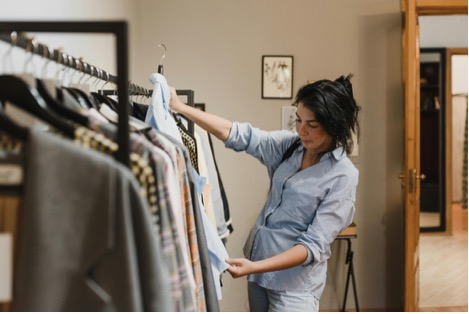
Geographic reinvention offers rare permission to experiment with style evolution. The absence of established reputation removes pressure to dress consistently with past identity. Colleagues and neighbors in a new city see only present-day choices, not the dramatic departure from previous norms.
This freedom proves double-edged. Some relocators lean too heavily into local aesthetics, abandoning personal style entirely in pursuit of belonging. Others resist adaptation so stubbornly they feel perpetually out of step with their surroundings. The most successful approach blends authentic personal taste with practical concessions to climate and cultural context.
Slow integration prevents expensive mistakes. Purchase one or two key pieces monthly rather than overhauling everything immediately. Photograph outfits to identify gaps between current wardrobe and daily needs. Follow local fashion blogs or Instagram accounts to observe real-world styling, not just retail marketing.
Give yourself permission for trial and error. The clothes that seemed essential during your first month might feel irrelevant by month six, once you’ve experienced a full seasonal cycle and developed authentic relationships with neighbors whose style you genuinely admire. Your wardrobe will eventually reflect both where you came from and where you’ve landed—a visual autobiography of adaptation and growth.
Images used:
https://images.pexels.com/photos/5705057/pexels-photo-5705057.jpeg?
https://images.pexels.com/photos/5418939/pexels-photo-5418939.jpeg?
https://images.pexels.com/photos/11230256/pexels-photo-11230256.jpeg?
https://images.pexels.com/photos/7578409/pexels-photo-7578409.jpeg?