
Subscribe to our newsletter
Enter your email address below and subscribe to our newsletter
By Dana Hall
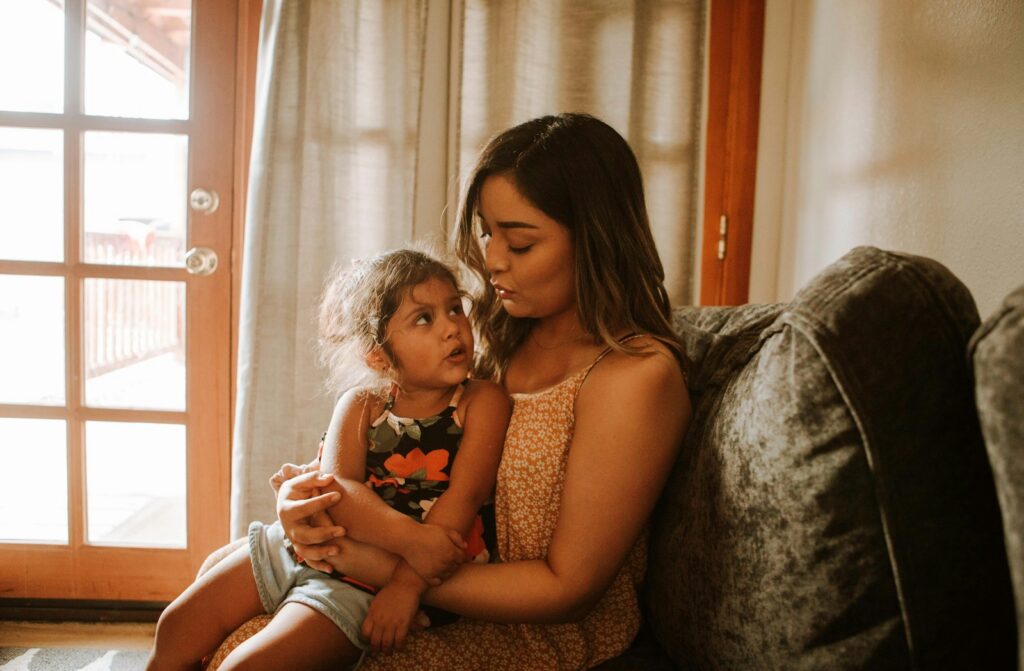
A little girl, a month from turning four, begins to settle into her personality and find her voice. She pounces around, talks a mile a minute, and always with “I have an idea!”. The most significant part of her personality is that she’s always seeking opportunities to help. She’s fiercely passionate about helping and takes great pride in it. Anything from dishes (yes, dishes) to cooking or baking.
The little girl described above is my niece. As she nears her fourth birthday, she’s becoming more aware of the world around her, and I’m beginning to grasp the importance of being an aunt to a young girl. It’s a responsibility I’m not sure I’m prepared to take on.
There’s a specific responsibility and gravity to being a young girl’s role model. It’s not just being someone she can look up to. It’s preparing her to navigate a society that wants her small, not strong. It’s being a guide, learning from your own mistakes and your worst traits.
In our moments together, playing the floor is lava or the silent warmth of watching a movie together, I see the best parts of her. Her creativity, how much she cares, and her ability to be herself unapologetically. There are times I want to hide her from the world, hide her from the inevitable pain she’ll experience, hide her from the possibility of losing the best parts of herself. And at the same time, I want to hide from the possibility of failing her.
I’m so worried I won’t properly set her up for the world. How can I be a good role model, let alone a good female role model, if the inverse of my two worst attributes are the two things that will lead her to success: advocating for and loving herself?
I very rarely advocate for myself. I conform to what’s needed, fall in line, and make things easier for others. When I do stand up, it’s a battle not just for what I’m advocating for but also a battle against appeasing others. I’m full of anxiety the entire time. The unfortunate truth is that being disliked usually outweighs my willingness to stand up for myself.
Yet the deeply depressing thing about me is that I am completely fine with disliking myself—a fun mixture of childhood bullying, perfectionism, and learned behavior. My self-loathing is the “safer” option because it’s familiar and offers me a false sense of security. I can’t get hurt if I don’t try. I can’t get hurt worse than what I’m already doing to myself.
I am grateful to be this self-aware that I can identify my shortcomings, yay therapy! Self-reflection gives me a unique opportunity to see the positive qualities. Gives me the chance to heal my inner child as I navigate my niece towards the positive aspects of my faults.
Conforming to what’s needed is my survival tactic. Because of this, I am highly adaptable, which is an important skill to learn and cultivate. But it shouldn’t come at the cost of standing up for yourself. I want to teach my niece adaptability with boundaries so advocating for herself becomes her superpower.
Being self-critical is a dangerous, unhealthy high-wire act that leads to destructive patterns. But constructive self-criticism can be a catalyst for productive improvement and humility. Being gentle and kind in our opinions fosters more compassion and love for ourselves and others. I want my niece to hold greater empathy for others and to recognize how much we all have in common.
Being a role model for a young girl in the world we live in makes you reckon with yourself. It’s confronting generational trauma and teaching them to love themselves and be their best selves. It’s recognizing that your imperfections are what make you the perfect role model. And most of all, it’s looking at yourself through their eyes and seeing the best of yourself.