Subscribe to our newsletter
Enter your email address below and subscribe to our newsletter

Enter your email address below and subscribe to our newsletter
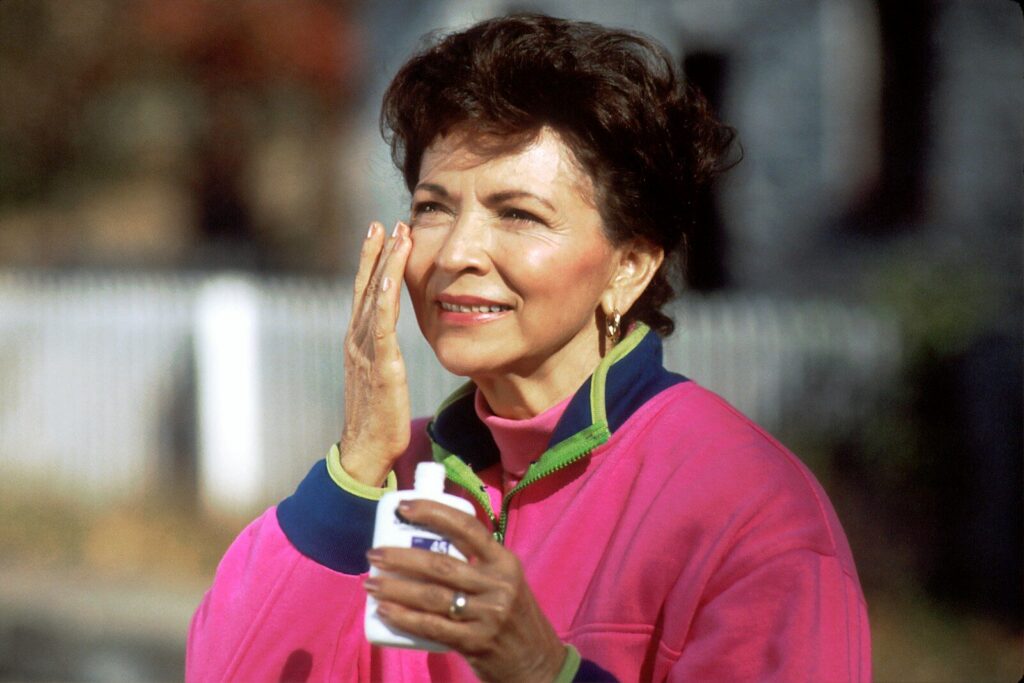

Glowing skin is always in—but healthy skin is everything. This May, in honor of Skin Cancer Awareness Month and our Mother’s Day + Fashion Issue, we’re reminding you that protecting your skin is the ultimate beauty move. We sat down with a local dermatologist office to talk sun safety, smart skincare, and how to stay radiant without the risk.
May is Skin Cancer Awareness Month—why is this such an important time to start the conversation, especially for women and busy moms?
May is in late spring, right before summer when schools let out and students have more time to spend outdoors, when the ultraviolet rays that promote skin cancer are becoming more intense. May is also a common month for proms, and many young ladies feel the need to have a tan for that event. It’s a great time to remind people of the hazards of the sun, although, in actuality, the sun’s rays can be damaging throughout the year, on sunny days and cloudy days.
We all love that sun-kissed glow, but what’s the safest way to achieve it without putting our skin at risk?
We don’t “all” love that sun-kissed glow. I don’t know any dermatologist who does, just like I don’t know any oncologist or cardiologist who loves smoking. We need to deeply ingrain the association of sun exposure with the ugliness of skin cancer to try to dispel the notion that a suntan improves one’s appearance, and to promote the notion that one’s God-given skin color is beautiful. God doesn’t make mistakes. Nonetheless, if one insists on going to the dark side, the various self-tanning creams, those containing dihydroxyacetone, are perfectly safe.
For women on the go, what are some easy, everyday ways to incorporate sun protection into a beauty or skincare routine?
Women generally have daily routines in the morning to get ready for the outside world. They should incorporate a daily moisturizer/sunscreen combination into their skin-care regimen. In the drier months of winter, moisturization is more important for comfort, but sun protection is crucial even in the middle of January. There are certain makeup powders that are sun-protective as well, and these are especially useful for reapplication for women who spend a lot of time outdoors. Women should also make sure to use sun protection on the lower lip as well, especially those women who have very full lower lips.
Are there certain areas of the body people tend to forget when it comes to SPF—and why do they matter?
Women tend to forget the scalp, neck, chest, and upper lip when it comes to sun protection. The only practical way to protect the scalp is to wear a hat, and may women are averse to the idea as it can be perceived to be tight, hot, or uncomfortable,and furthermore, cause “hat head.” However, many women part their hair in the same place every day and get excessive sun on the part line that leads to skin cancer, and anytime surgery is performed on the scalp it results in a permanent bald scar. I see a lot of pre-cancers and cancers of the upper lip as well. I think it’s just a small area that women overlook. The sides of the neck are also overlooked for some reason, and so is the chest, and the forgoing of sunscreen on the neck and chest may be related to the fear of getting sunscreen on the shirt.
How can fashion actually play a role in protecting our skin (think hats, sunglasses, cover-ups)?
Clothing is better than any sunscreen, especially if it is sun protective(SPF rated). A Google search will reveal many different options for hats, shirts, pants, scarves that are actually very fashionable as well as comfortable, and in my opinion, are a sign of intelligence, for their use shows that they are skin-smart. Women should be concerned more about permanent scarring hair loss from cancer surgery rather than temporarily messing up their hair with a hat.
What should we look for when checking our skin at home—and how can we make that part of a regular self-care routine?
Every woman should get a baseline exam and follow the direction of her dermatologist for what to look for in terms of skin cancer. Once she is given a pass she can then concentrate on change in her skin, either a new growth or an old growth that changes in size shape, color, or starts itching, hurting, or bleeding. I advise monthly self- exams. If done too frequently, the changes may be too subtle to recognize. Incorporating a partner into the self exams is also very helpful for areas not easily seen, but if there is not a partner, mirrors will suffice.
For Mother’s Day, what’s one skin health habit or product you’d recommend gifting to the moms we love (or ourselves!)?
The best gift for mom would be that of a high quality sunscreen. Many feel that all sunscreens are created equally, but this is not true. Like most things in life, the better ones tend to be more expensive, and mom may not be willing to spend the money on a good one, so that makes a great gift, and if you want to make it the perfect gift, add a gift card for aesthetic services by Hannah at Purvis Dermatology.