

Subscribe to our newsletter
Enter your email address below and subscribe to our newsletter
by Beth Rush
When my family and I moved into our new home along the coast, the backyard was generous in size and short on charm. There was patchy grass, a plain slab of concrete, and little else. After the chaos of packing, moving, and settling in, I didn’t need another renovation project, but I wanted a refuge and a place where I could land softly at the end of the day and calm my ADHD.
After several Pinterest searches, I realized it was about how I used the space. Learn how to create your own wellness retreat at home with my journey.
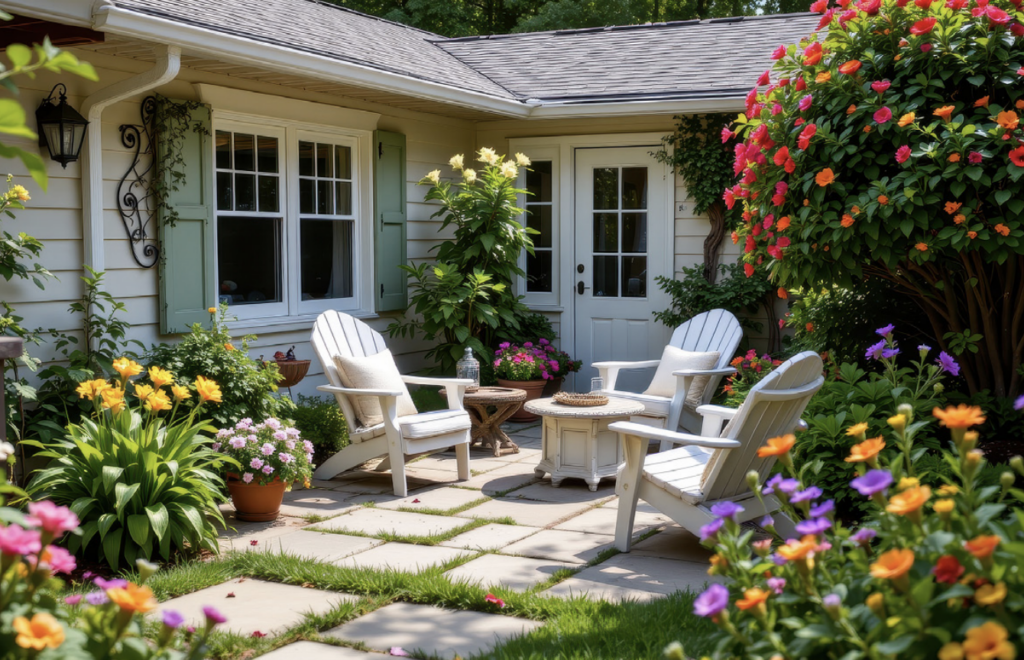
At first, the yard felt overwhelming. The area looked unfinished, and I could have easily postponed my plans until the exterior renovations were done. Instead, I chose one corner — the far edge of the patio caught the morning light and offered partial privacy from neighboring homes. I placed a single outdoor chair there and sat down. That was the beginning.
I know that nature is a fantastic mood alleviator and helps overcome depression. While I dream of one day living in a thriving jungle, you don’t need to transform your entire yard at once.
Choose a spot that feels naturally calm. Notice where the breeze moves gently and the light feels kind. Defining that one area as sacred shifts your mindset. It becomes less about landscaping and more about intention. That decision removed the pressure I felt. I did not need a perfect backyard, but I craved one that offered a soothing retreat.
The backyard lacked personality, so planting became my first creative act. I wanted the space to feel distinctly coastal, not manufactured.
I chose fragrant gardenias because their scent reminds me of Southern summers. I added rosemary and lavender in large pots near the chair so brushing past them would release their fragrance into the air. Ornamental grasses softened the fence line and created a quiet rustling sound when the wind picked up.
When you plant with purpose, you design for experience. I chose to focus on my senses and gently build a sense-scape to help me understand what I feel and how I live day to day. Watching each of those fragrant herbs bud and form brightly colored flowers reminds me that life is not rushed. Slowing down physically has helped me slow my mind, which has also helped me live much more intentionally.
Gardening turned into a meditation. Each time I watered or trimmed, I felt more connected to this representation of my mindscape. My retreat began to feel alive. My outside meditative space played to my senses in a profoundly personal way, and you can achieve the same effect like this:
As someone living with ADHD, I am acutely aware of my body’s sensations and experiences. By focusing inward or using my interoception abilities, I can detect and reset my central nervous system. My outdoor wellness area gives my body the stillness it needs to move from proprioception — its awareness of your limbs through space — to an inward focus on what is happening in my nervous system.
Creating an area that’s comfortable and ideal for contemplation was my next important step. I’d considered a full outside seating set, but I chose a one deep-seated wicker chair with plush, weather-resistant cushions and a small teak side table. The simplicity encouraged stillness.
If your exterior furniture invites lounging, you will linger. If it feels formal, it becomes a decorative exercise.
Natural materials matter to me. Teak weathers beautifully in salt air, and wicker echoes coastal textures. Keeping the layout minimal preserved visual calm, making room to breathe.
On the table, I place my journal and a ceramic mug. Nothing more. The absence of clutter reinforces the purpose.
Finding time in my busy day for lengthy meditations and long moments of mindfulness is unfeasible. However, in just 10 minutes of daily meditation — the time it takes to sip a cup of tea — you can achieve significant mental health benefits.
The physical transformation was only part of the journey. I learned that mindfulness is less about silence and more about attention. Presence is an innate human ability, and you can access it through your senses and thoughts, which guide how I use my escape zone.
When I sit in my chair now, I notice the warmth of the sun on my skin. I hear birds in the nearby trees, and I feel the texture of the cushions beneath me. These small observations ground me. Awareness alone transforms an outdoor nook into a soothing sanctuary.
The safe and quiet zone at your home begins with a decision — prioritizing presence. My underdeveloped backyard became an invitation rather than a disappointment. Through thoughtful planting, simple furnishings, and a few daily rituals, it transformed into a place that restores me.
If you live along the coast or the Carolinas’ interior, nature already offers beauty. Step outside. Choose a corner, add one thoughtful element, and sit still long enough to notice what surrounds you. For apartment-style living, a balcony or windowsill garden can bridge limited square footage. Mindful reflection requires only attention and the willingness to claim space for your well-being.