
Subscribe to our newsletter
Enter your email address below and subscribe to our newsletter
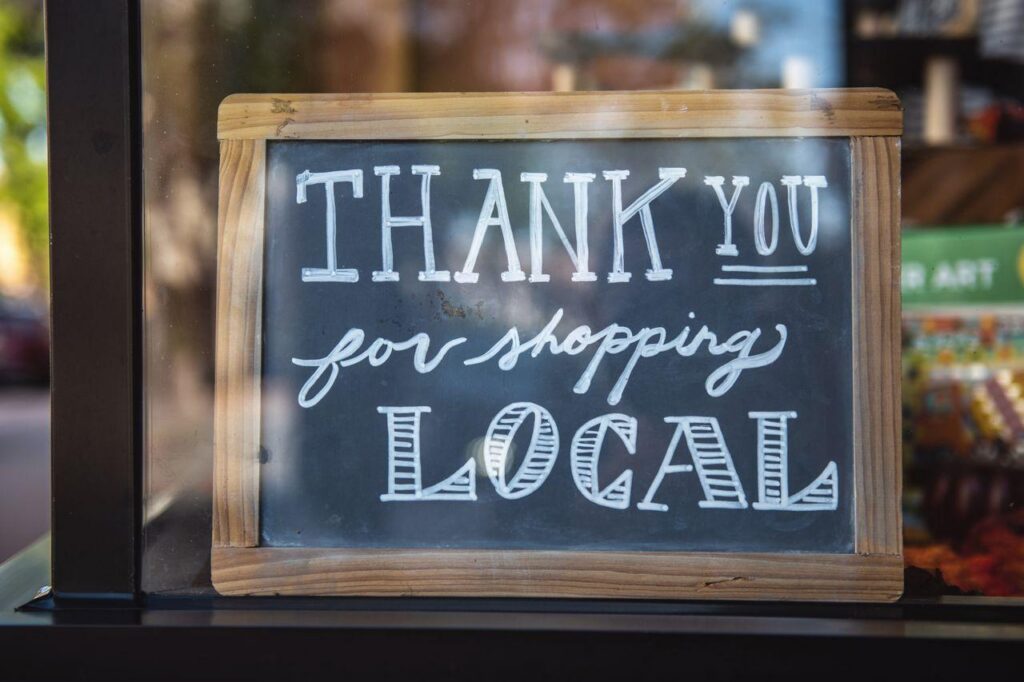
When you move to a new place, the easiest thing to do is open an app. You already know how those work. The brands are familiar, the prices are predictable, and you don’t have to talk to anyone while you’re still figuring out which roads lead where. But defaulting to the familiar comes with a price — and the real cost of ignoring local shops when you relocate isn’t measured in dollars. It’s measured in how long it takes to feel at home.
Skipping local shops in a new place means skipping the fastest route to belonging. That sounds dramatic, but the mechanics are simple: local businesses are run by people who live where you live, and those people know things no algorithm does.
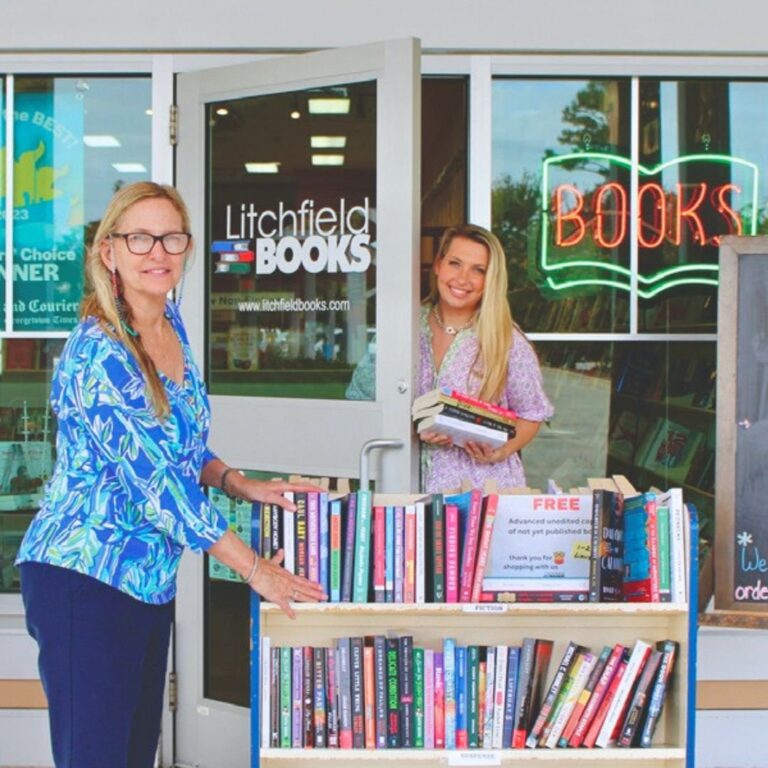
The butcher knows which farms supply the best cuts. The woman at the plant nursery knows which varieties survive your new climate zone. The bookshop owner knows which author is doing a reading next weekend. These aren’t just transactions — they’re introductions to a place. New beginnings that start with packing up and moving forward are shaped just as much by the relationships you build after the boxes are unpacked as by the move itself.
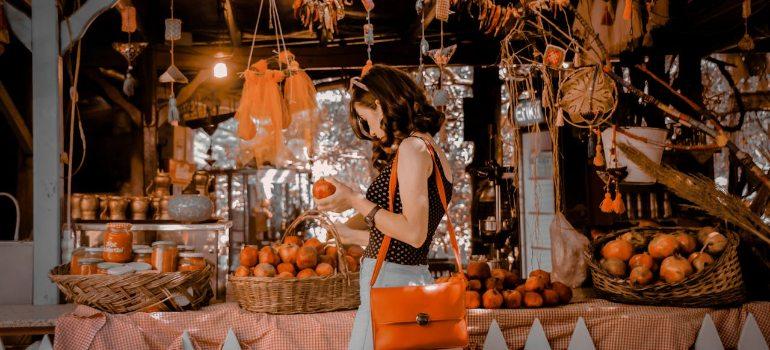
The cost isn’t always obvious at first. You save a few minutes here, skip a conversation there, and order online instead of stopping in. It feels efficient. But those micro-decisions accumulate into something larger: a life in a new city that never quite connects to the city itself. Months pass, and the place still feels temporary, even after your furniture is arranged and your name is on the mailbox.
Think about the things you bring with you when you move — the pieces that matter, the ones with history. When you find something similar at a local shop, a handmade ceramic or a one-of-a-kind vintage piece, getting it home safely becomes part of the story. Because fragile items need extra care during any move, the things you discover locally often deserve the same thoughtfulness as the things you carried from your last home.
Beyond the personal, there’s a broader cost too. Research shows that local retailers return approximately 52% of their revenue to the local economy, compared with just 14% for chain stores. Every time you choose a local shop, that money circles back through the neighborhood — paying local wages, supporting local suppliers, funding the very community you’re trying to become part of.
In an established life, your social infrastructure builds up over the years. You have the coffee shop where they know your order, the gym where you recognize faces, and the neighbors who wave. When you move, you lose all of that overnight and have to rebuild from zero. The disorientation of that loss is real, and it doesn’t resolve itself on its own.
Local shops are one of the fastest ways to rebuild it. Regularity creates recognition, and recognition creates comfort. Show up at the same farmers market three weekends in a row, and you’ll start to feel the shape of the community — who the regulars are, what the rhythms of the neighborhood look like, which vendors are worth a longer conversation. These connections don’t happen at a drive-through or on a delivery app. Community connections that make a new town feel like home are almost always built through physical presence and repeated contact — and local shops give you both.
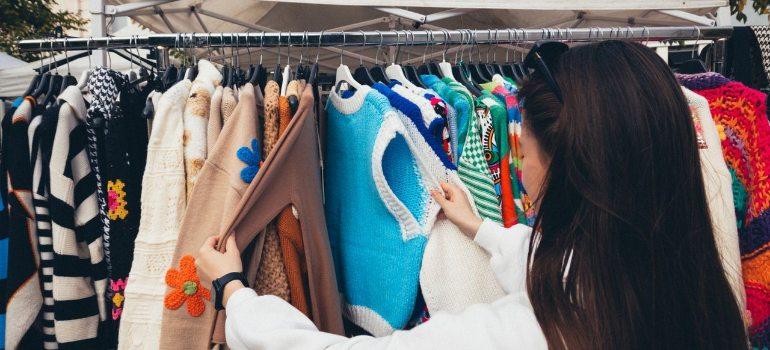
Start small and start nearby. The block you live on, the street you drive every day — these are the best first territories. Notice what’s there. A hardware store, a plant shop, and a bakery you keep passing. Go in once without an agenda. Just look around. You don’t have to buy anything the first time.
Farmers’ markets are another easy entry point. They concentrate local vendors in one place, they’re low-pressure, and they give you an immediate education in what your region grows, makes, and sells. Most mid-size cities and many smaller towns run them weekly from spring through fall. From there, let one discovery lead to another. The woman selling honey at the market might mention the ceramicist two streets over. The ceramicist might point you toward the coffee roaster who supplies half the independent cafes in town. Living like a local — finding authentic experiences in any city works exactly this way: one genuine connection opens the next one.
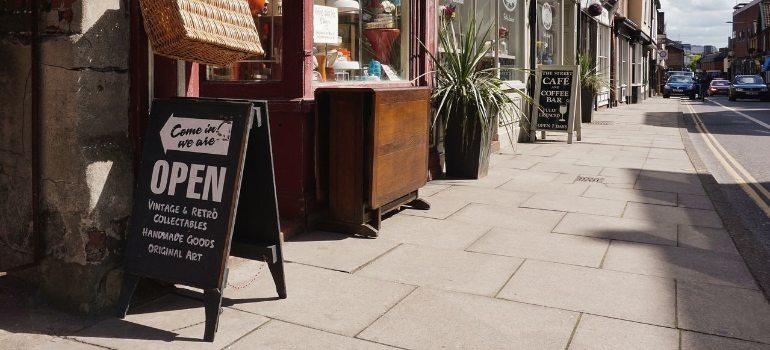
The cost of ignoring local shops when you relocate isn’t something you’ll see on a receipt. It’s the slower belonging, the longer settling-in, the feeling that you’re still a visitor in a place you technically live. The fix is low-stakes: walk in somewhere new this week. Buy something small. Come back.
Images used:
https://www.pexels.com/photo/woman-choosing-clothes-on-a-street-market-19295116/
https://www.pexels.com/photo/woman-in-tank-top-shopping-for-fruits-7768807
https://www.pexels.com/photo/brown-wooden-framed-wall-decor-3091202
https://www.pexels.com/photo/signs-in-front-of-the-souvenir-shop-and-cafe-5914986