Subscribe to our newsletter
Enter your email address below and subscribe to our newsletter

Enter your email address below and subscribe to our newsletter
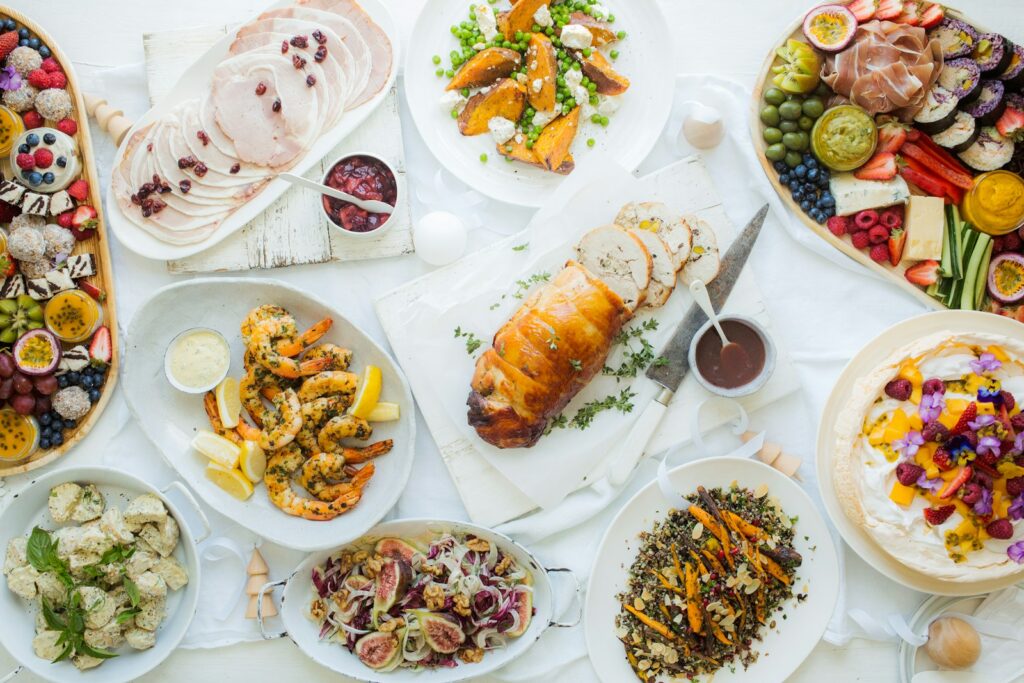

“The Year of Elevated Flavors”—that’s my terminology, predicting this year’s culinary theme. Carefully researching, drilling down news, and conversing with industry experts while developing this article brought me to this musing, but what the heck do I know? Maybe a little…
I spoke with a content manager at Datassential to extract the dominant forecasts from The Datassential® “2026 Food and Beverage Trends Report,” which offers predictive insight for the upcoming year.
Datassential® is a global food and beverage intelligence company that powers the biggest names in foodservice by providing consumer insights, sales intelligence, and social indicators to help drive brand strategy and performance.
Top highlights from the report point to consumer habits, like the continued interest in superfoods and health-focused ingredients — driven by the “food as medicine” movement; fiber gaining ground over protein by targeting a population increasingly focused on gut health; which is also driving the direct-to-consumer dairy market with a wider range of cultured dairy products and probiotic infusions integrating into the inner aisles of grocers; and plant-based “meats” losing market share, resulting from unmet expectations from manufacturers — spurring an animal protein revival.
Additional trends from multiple sources indicate global flavors gaining favor with influences from India (Kerala, specifically), Eastern Europe, South Asia, and Japan; and there’s a robust attraction to nostalgic comfort foods, like soups, stews, briskets, and smashed burgers — satisfying sentimental whimsy.
Stepping into the home entertaining realm is the expansion of traditional charcuterie and grazing boards into pseudo-vegan charcuterie options and Seacuterie. A Seacuterie board is distinct from a seafood tower in that it encompasses a different variety of seafood options; think smoked salmon, sardines, mussels, Ahi tuna bruschetta, marinated prawns, smoked tinned oysters, and anchovy butter with lava salt alongside artisan crackers, crusty sourdough baguettes, soft cheeses like Humboldt Fog and St. Andre, capers, pickled red onions, watermelon radish, tangy cornichons, olives, fresh herbs, whole grain mustards, lemon wedges, crème fraîche, and the perfect soft-boiled jammy eggs — I could get into that, especially if you add a jar of caviar and some potato chips.
Beverage insights suggest sober curiosity is gaining momentum and will belly up to the bar often (with a host of low-to-no-ABV selections), and hydration innovations across the board will remain strong in the new year, offering hand-crafted sodas infused with herbs, roots, and custom-blended syrups. Mocktails will continue along the popularity train, with various teas grabbing the spotlight, and functional beverages containing adaptogenic herbs and probiotic strains to promote wellness will remain in demand.
Leading hospitality experts predict that protein will maintain its dominance despite food inflation. Rising costs are spurring the imaginations of top chefs and home chefs alike, and we are all navigating changing industry dynamics — like supply chain hiccups and tariffs on many imported goods. This is felt whether one is hosting a dinner party or creating routine family meals each week.
The Food Industry Association® “Meat Trends Shaping the Marketplace” article states, “…only 22% of shoppers now say they’re trying to cut back on meat and poultry — the lowest level in years.” Chicken will likely hold the top ranking spot for volume purchased, and beef continues to reign king, accounting for 55% of fresh meat purchases, while pork is on an even keel, according to “The Power of Meat 2025” report from FMI.
Culinary enthusiasts everywhere are faced with increased food prices across the board, and they are looking for ways to boost flavors, infuse interesting notes with herbs and spices, and add wonderful umami depths to everyday foods, while enhancing affordable proteins to satisfy their desire for quality and maintain their “foodie-bougie” standards. While there is still a major push for supporting local harvests, sustainability, and ethical farming (all of which increase price points,) home chefs want to scale back the purse strings and still enjoy an elevated at-home meal.

In addition to overall food and beverage trends, pros suggest consumers will continue to see restaurants offering discounts, limited-time offers, specials, and loyalty programs to capture new guests and keep their devoted patrons. There’s also an indication that we will begin to see more robust immersive dining experiences as demand grows.
To this end, 2026 as “the year of elevated flavors” can help point home chefs in the right direction to embrace new flavors and incorporate global influences that will turn everyday dining into an indulgent experience. Here are a few ideas to get the creative wheels turning…
Commit to Flavor Boosters
Start by using uncommon herbs, spices, rubs, rich sauces, smoked peppers, various finishing salts, bold infused vinegars, and umami compound butters. And don’t forget other unusual additions—various seaweeds, miso paste, fish, oyster, and hoisin sauces, anchovies, molasses, and dark buckwheat honey.
Also consider trying a sprinkle of brewer’s yeast or MSG — there, I said it. MSG adds a wonderful umami intensity, and it only takes a minuscule amount to enhance the complexity of a dish. MSG itself does not have a flavor, per se; it simply boosts existing savory notes. As far as safety is concerned, the FDA considers it safe, and it is identical (chemically) to glutamate that naturally occurs in many foods. I often use original Knorr® Chicken Bouillon, which includes MSG (they also offer a no-MSG version). I will add a cube to whatever bone broth I am using to add a savory depth without inherently changing the recipe. To note: you can also use brewer’s yeast to achieve a similar result, although it will be more subtle. Just remember a little goes a long way!
Utilize Unfamiliar Herbs and Spices
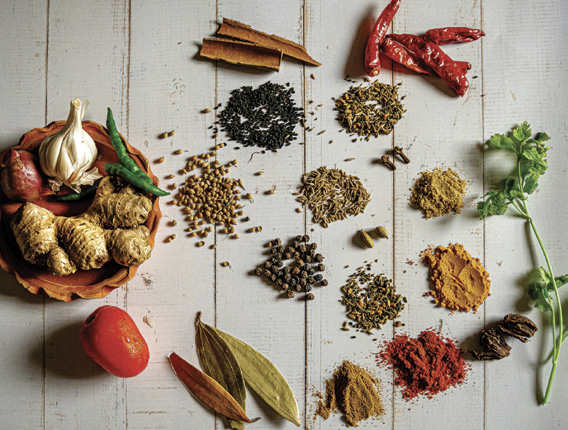
Fresh and dried herbs, along with a well-stocked spice cabinet, will get you far in the kitchen. These darlings are your friends, and do not be afraid to experiment! Try out some spices (or blends) that you haven’t used or have buried somewhere deep in the pantry — ex. saffron, cumin, black cardamom, sumac, lemon balm or lemon verbena, tamarind powder, galangal, juniper berries, borage, anise, chervil, tarragon, and savory. Tarragon is vastly underused.
Don’t Fear the Fat
Widen your usual suspects of cooking oils and fats to include unconventional options like beef tallow, duck fat, pork fat, and ghee. There are points to be made for the use of various fats in specific recipes, with each type of fat or oil imparting a range of notes to the dish.
Baby Your Broth Game
Always opt for the best broths you can buy. Whenever I notice a sale on bone stock, I come home with 20 quarts! Any good home chef knows the worth of having great stock on hand. The uses are endless. Instead of simmering bones and vegetables with aromatics for 12 hours or even cutting the process time using an Instant Pot®, I like to build upon an existing base and make semi-homemade flavor stocks. They are rich and wonderful multi-purpose broths that you can use for soups, stews, gravies, marinade starters, and so much more. Look for recipes in this issue!
Marry Unusual Suspects
Leave timidness at the door and blend flavors for a fresh take on standard dishes. Add earthy cinnamon to beef roasts and tomato sauces. Add cumin to chicken salad, hamburgers, and roasted cauliflower.
Incorporate Vintage Vegetables
Integrate forgotten vegetables like leeks, fennel, black garlic, celeriac, chayote squash, black salsify, rutabagas and turnips, daikon, bok choy, frisée, sunchokes, white asparagus, watermelon radish, and okra.
Try Affordable Animal Proteins
Plant-based “meats” are losing some of their market share as overall consumer expectations haven’t been met by the manufacturers, spurring animal proteins to regain favor with shoppers. Lower-priced chicken thighs and pork belly are still popular for good reason, and you’ll start to see more affordable cuts of beef making their way to menus, like the sirloin flap (bavette), flatiron, chuck eye, skirt, and hanger steaks. Beef tallow will add a deeper flavor to a chuck eye steak. Always cut flank steak against the grain and on a bias for a tender result.
Embrace a Wider Selection of Seafood
Experiment with different seafood options like octopus, halibut cheeks, conch, cobia and corvina, red drum, triggerfish, blue crab, mussels, crawfish, and more.
Save Room for the Occasional “Budget” Indulgence
Caviar is still having a moment after it dominated 2025 menus, and you can indulge in this continued trend without breaking the bank. A few entry-level varieties to get you started are Hackleback (American Sturgeon), Paddlefish, and Golden Whitefish or Pike Roe.
Experiment — Play With Your Food!
Blend sweet and savory for a new, complex flavor profile in meats. I just seasoned a low-cost pork shoulder with smoked black pepper, allspice, dried lemon peel, smoked Hungarian paprika, Himalayan salt, and dark brown sugar and seared it stovetop in pork fat before slow cooking in the oven. It was tender, the sweet and savory sear added depth, and the lemon peel brightened it up. The dutch oven, on the other hand, needed some hard scrubbing from the sugar caramelizing during the initial sear.
Other forecast news points to a rise in communal dining experiences, which is trending overall and offers a deeper sense of connection, which is paramount in today’s social landscape. Consumer polls indicate an increased desire for face-to-face social experiences, and there’s a shift towards at-home celebrations, with a focus on affordability versus dining out. Expanding interests into the social culture of regional cuisines and location-specific foodways reveal that we still crave a sense of belonging, and our deep-rooted hunger goes beyond the plate. We cherish tradition, even if it’s not our own, and the shared experience of relishing a meal that leads us on a culinary journey of discovery is immeasurable. Food memories incorporate all the senses and are often a side dish to the grander event reflected upon.
The next time you’re deciding what’s for dinner… Why not try a Bulgogi-style marinade on a flank steak, widen your use of Indian and Asian spices, and add pizazz to the plate with less common ingredients? Let’s commit in 2026 to let our creativity soar and step up our kitchen game. Life is both sweet and savory; eat up every minute, and create shared food memories to last a lifetime! “…Hey, do you remember that time we ruined the dutch oven when we seared the pork shoulder in olive oil and molasses on high heat?! … good times.” LOL.
Grab your FREE download of the detailed “2026 Culinary Trends Elevated Flavors Guide” by following @tammie.r.hughes AND @saseemag on Instagram.
Sources:
https://datassential.com/food-and-beverage-trends/?referrer=pr
https://datassential.com/resource/2026-food-and-beverage-trends-rising-declining
https://www.prnewswire.com/news-releases/datassential-releases-2026-food-and-beverage-trends-report-302607211.html
https://www.fmi.org/blog/view/fmi-blog/2025/10/06/meat-trends-shaping-the-marketplace
https://www.malou.io/en-us/blog/12-food-trends-2024-restaurant