
Subscribe to our newsletter
Enter your email address below and subscribe to our newsletter

Enter your email address below and subscribe to our newsletter
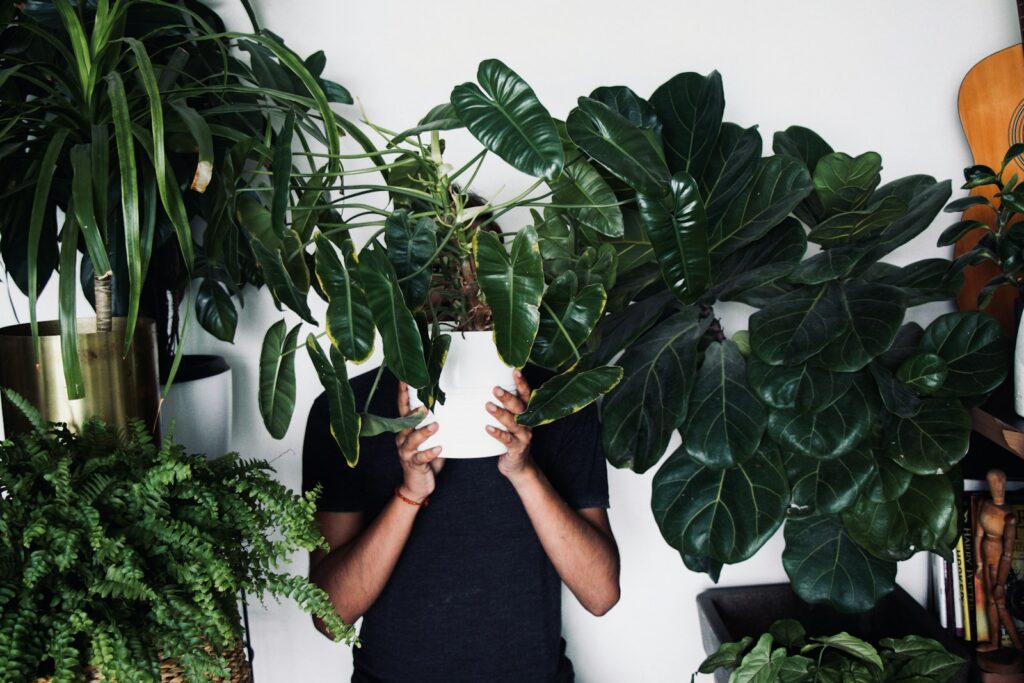
by Brittany Barry
For most of my adult life, plants did not survive me.
I killed them with confidence. Succulents shriveled. Ferns browned dramatically. Even the so-called “unkillable” houseplants met their end on my watch. Friends would gift me greenery with hopeful smiles, and I’d thank them while quietly wondering how long it would take before the leaves started dropping in protest.
I wasn’t careless. In fact, I tried very hard. I watered constantly, convinced attention equaled care. I moved pots from window to window like a desperate real estate agent chasing better light. I Googled symptoms late at night. Somehow, nothing thrived. Plants either drowned or dried out. There was no in-between.
Eventually, I accepted what I thought was a personality flaw. I just wasn’t a plant person.
The irony is that I desperately wanted to be one. I admired women whose homes were filled with lush greenery and effortless growth. Their plants seemed calm and confident, while mine looked like they were filing formal complaints. I assumed gardening required intuition I didn’t have, some secret knowledge everyone else received.
What finally changed wasn’t talent. It was an approach.
The turning point came in the spring when I decided to try again, but this time with fewer assumptions and more curiosity. Instead of buying plants because they were pretty or popular, I started asking basic questions: How much light does this need? How often should I water it? Does it prefer to dry out between waterings?
That alone made a difference.
One of the first things I learned is that most beginner plant deaths are caused by overwatering. I had been loving my plants too much. Many common houseplants prefer their soil to dry out between waterings, something I never allowed. Once I started checking the soil instead of watering on a schedule, plants stopped wilting in protest.
I also learned that “bright light” doesn’t mean “direct sun.” That distinction would have saved several past casualties. Moving plants just a few feet away from harsh sunlight made an immediate difference. Growth slowed, yes, but it also steadied.
Instead of hovering, I stepped back.
This might have been the hardest adjustment. In my earlier attempts, I treated plants like fragile projects that needed constant correction. This time, I let them be. I watered less. I resisted the urge to repot immediately. I accepted that growth would take time.
And for the first time, something stayed alive.
That modest success taught me something important: plants don’t need perfection. They need consistency, patience, and realistic expectations from the person caring for them.
As my confidence grew, so did my willingness to learn. I discovered that starting small matters. One or two plants are far easier to understand than ten. I learned to choose beginner-friendly varieties instead of aspirational ones. I learned that pots need drainage holes, and that root rot is far more common than underwatering.
Most importantly, I learned to observe before reacting.
Yellow leaves don’t always mean disaster. Dropping a leaf doesn’t mean failure. Plants change with seasons, light shifts, and growth cycles. Once I stopped panicking at every imperfection, I could actually enjoy the process.
Gardening forced me to slow down. To pay attention instead of rushing in to fix things. To accept that growth happens quietly, often invisibly, long before it’s noticeable. That lesson didn’t stay confined to my plants.
I began to recognize the same pattern elsewhere in my life. I had been overcorrecting, expecting immediate results, and blaming myself when things didn’t flourish on my timeline. Plants reminded me that care doesn’t always look like doing more.
There are still casualties. I won’t pretend otherwise. Some plants don’t make it, despite my best efforts. But now, instead of viewing those losses as personal failures, I treat them as information. I learn. I adjust. I try again.
What finally changed wasn’t my ability to keep plants alive; it was my willingness to be a beginner.
I stopped expecting mastery and started appreciating progress. I learned that the goal isn’t a perfect garden or a magazine-ready home. The goal is paying attention, creating the right conditions, and allowing growth to happen at its own pace.
Today, my home is filled with living things. Not flawless, but thriving. Each plant is a quiet reminder that growth doesn’t need constant interference. Sometimes, the most loving thing you can do (for plants and for yourself) is provide steady care and then trust the process.



It’s interesting how changing your approach can make such a difference with plants. What tip helped you the most?